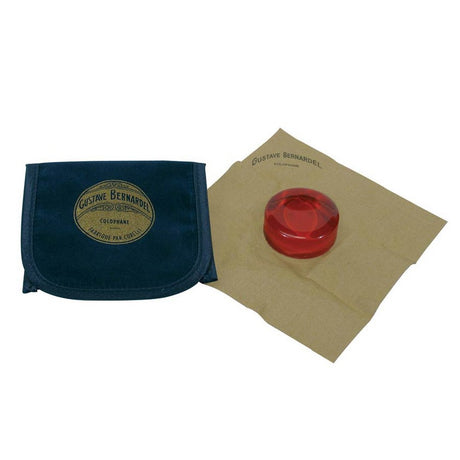
Bernardel 5001-E light rosin for violin/viola/cello, medium grip
In stockRegular price €15,00Unit price


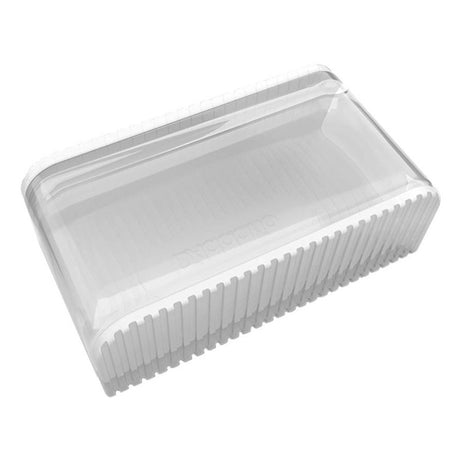
D'Addario 9250-EA rosin for violin, viola, cello, oval in box, hypoallergenic
In stockRegular price €22,00Unit price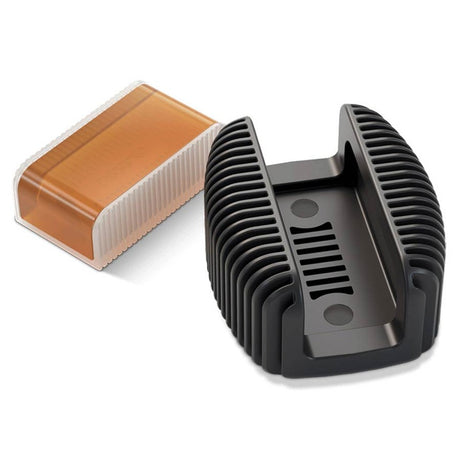
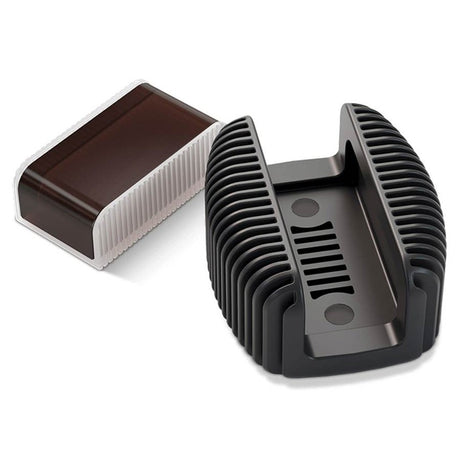

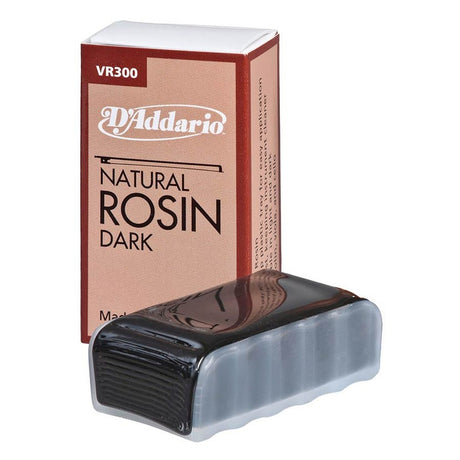
D'Addario KR-DD rosin for violin/viola/cello, in applicator box, dark
In stockRegular price €16,00Unit price
D'Addario KR-DL rosin for violin/viola/cello, in applicator box, clear
In stockRegular price €16,00Unit price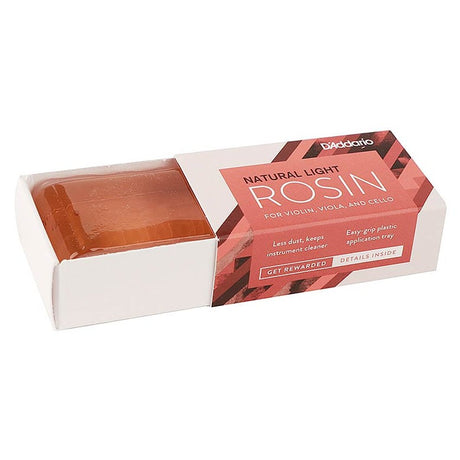
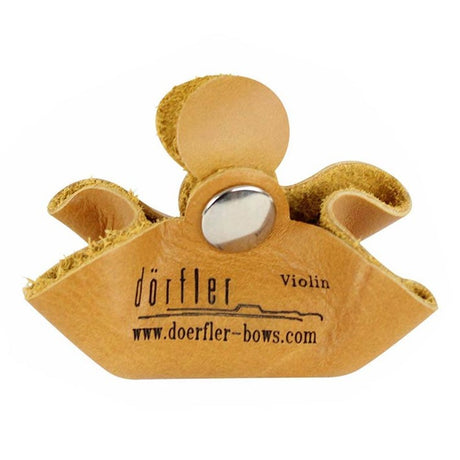
Dörfler DR10300 rosin for violin/viola, in a soft colored leather bag, various colors
In stockRegular price €20,00Unit price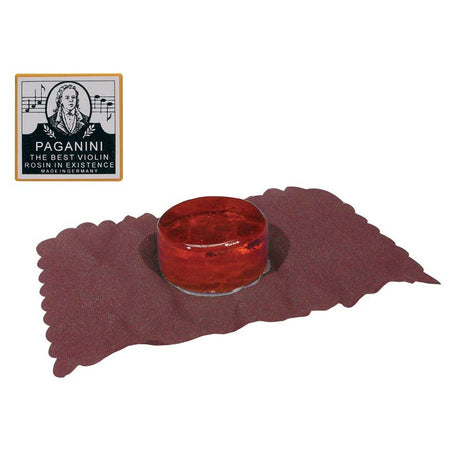
Geipel ROV-070 rosin for violin, clear, round, small, in cloth
In stockRegular price €6,00Unit price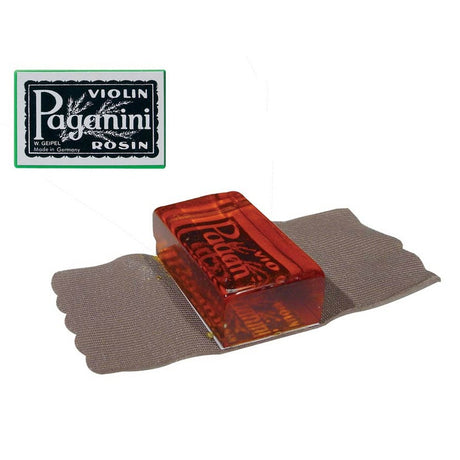
Geipel ROV-074 rosin for violin, clear, oval, large, in cloth
In stockRegular price €6,00Unit price
Geipel ROV-077 rosin for violin, clear, oval, small, in cork
In stockRegular price €4,00Unit price
Geipel ROV-099 rosin for violin, clear, round, small, hypoallergenic, in cloth
In stockRegular price €7,00Unit price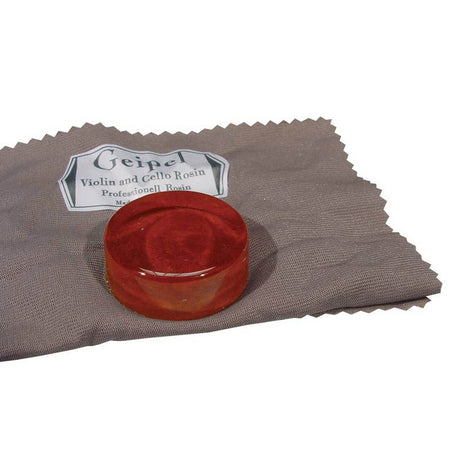
Geipel ROV-100 rosin for violin, clear, round, large, in cloth
In stockRegular price €7,00Unit price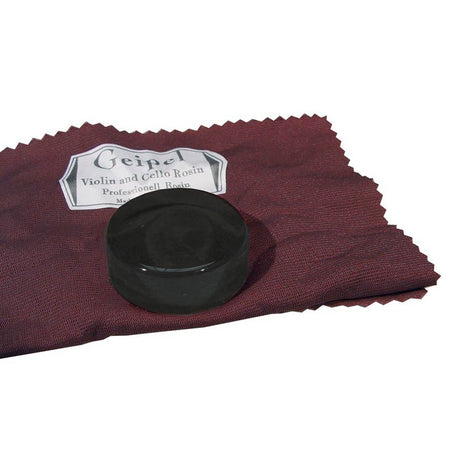
Geipel ROV-101 rosin for violin, dark, round, large, in cloth
In stockRegular price €7,00Unit price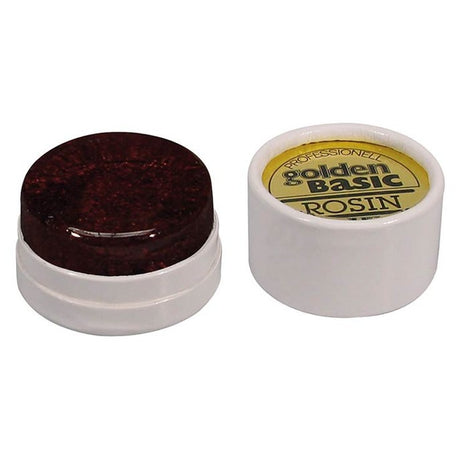
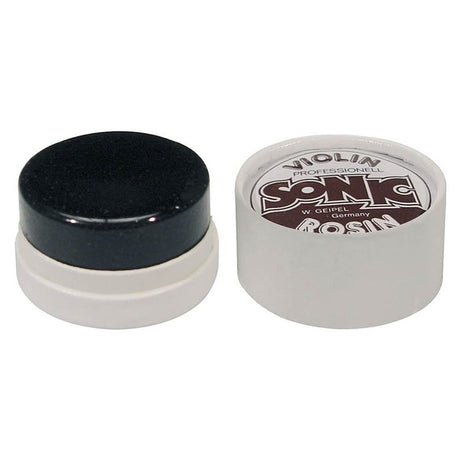
Geipel ROV-200 rosin for violin, dark, round, large, with gold flakes
In stockRegular price €13,00Unit price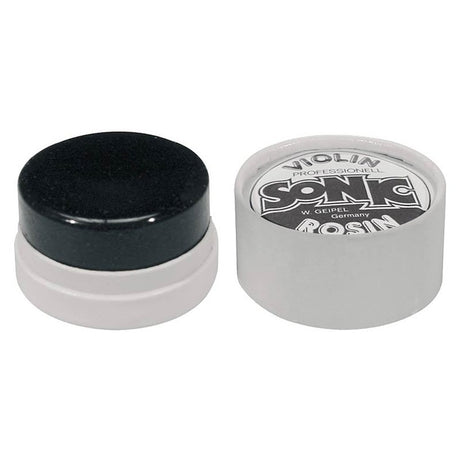
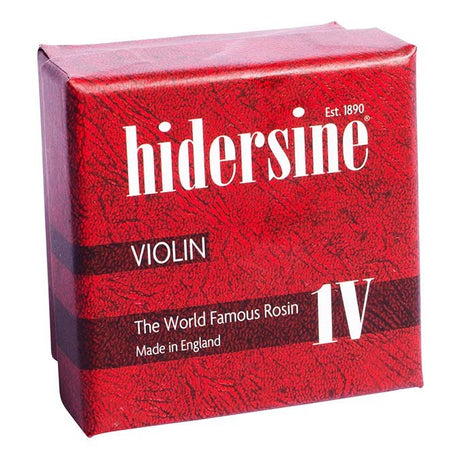
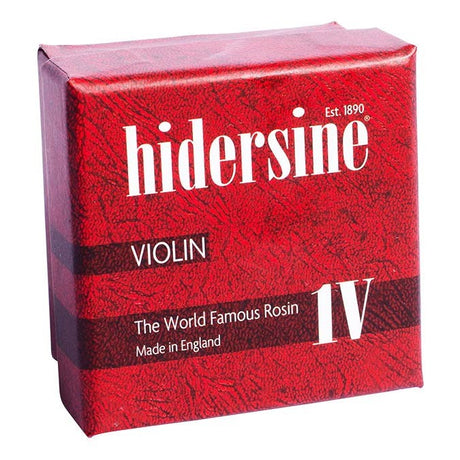
Hidersine HR-1V-10 10-pack rosin for violin - light/hard - large size
Low stock (4 units)Regular price €86,00Unit price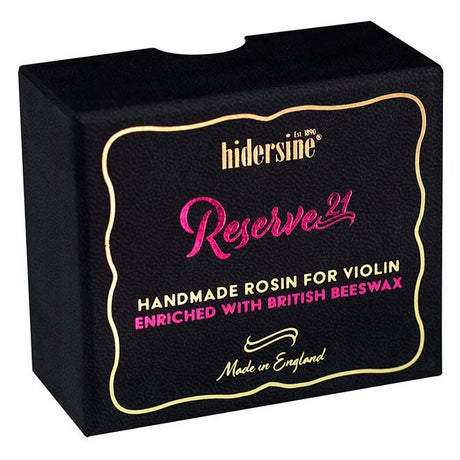
Hidersine HR-21V Reserve21 rosin for violin - light/medium-hard
In stockRegular price €28,00Unit price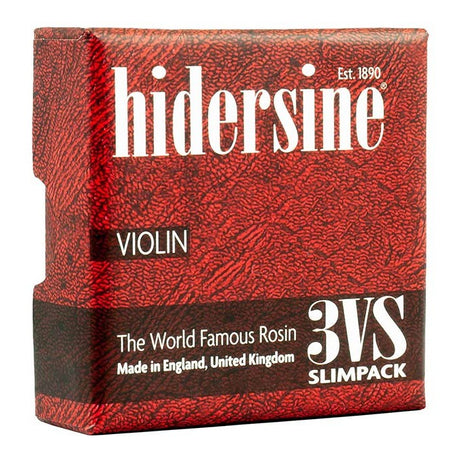
Hidersine HR-3VS Slimpack rosin - for violin - light/hard - slim size
In stockRegular price €8,00Unit price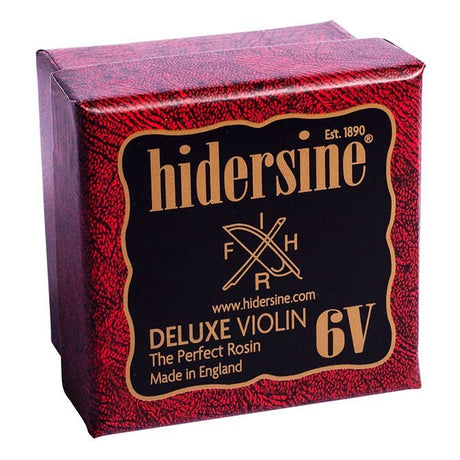
Hidersine HR-6V Deluxe Violin Rosin - Dark/Soft - Large Size
In stockRegular price €11,00Unit price
Hidersine HR-6V-10 10-pack Deluxe Violin Rosin - Dark/Soft - Large Size
Very low stock (1 unit)Regular price €100,00Unit price


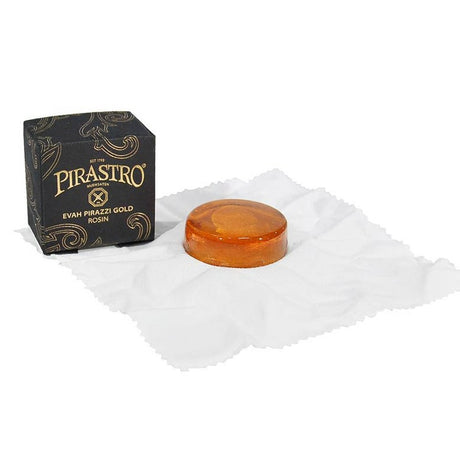


Violin rosin
Violin rosin and viola rosin: essential for a full, warm sound
Whether you're a beginner or an advanced musician, violin and viola rosin are essential for optimal sound and proper bowing technique. Without rosin, the bow glides silently across the strings. But what's the difference between the various types of rosin? And what should you consider when choosing the right one?
What exactly does rosin do?
Rosin is a natural or synthetic product applied to the hairs of the bow. The rosin provides the necessary grip between the bow and the string, which creates vibrations—and therefore sound. Without this friction, you wouldn't hear a note, no matter how well you play.
Various types of violin rosin are available, ranging from light to dark. Light rosin is generally harder and popular with violinists for its bright tone and minimal dust formation. Dark rosin is softer, stickier, and often used in violas and cellos for its warmer, fuller sound.
Difference between rosin and viola rosin
Although rosin and viola rosin essentially serve the same purpose, they aren't always interchangeable. Violas produce a deeper tone than violins and often require a slightly softer, stickier rosin to create sufficient grip. Therefore, viola rosin is usually darker in color and slightly softer in texture than violin rosin.
Some rosins are specifically designed for a specific instrument type, taking string tension and timbre into account. Choosing the right rosin therefore directly contributes to your playing comfort and the quality of your sound.
Which rosin is suitable for violin?
For violins, a harder, lighter rosin is generally chosen. This provides a bright, direct sound and is less dusty than darker rosins. Brands like Pirastro, Hill, or Andrea offer special violin rosins, often with additives like gold or silver for an even finer timbre. If you play a lot of classical music or solo, a clear rosin is often the best choice. For folk music or softer playing styles, a slightly softer rosin may feel more comfortable.
How to choose the right rosin for your violin?
When choosing rosin there are a few factors to consider:
- Experience and Playing Style: Beginning violinists often choose a universal rosin, while advanced players develop specific preferences.
- Climate: In warm or humid environments, a harder resin works better. In colder areas, a softer resin offers more grip.
- String type: Gut and synthetic strings react differently to rosin. Experiment to find which combination sounds best on your violin.
Can you use cello rosin on a violin?
While technically possible, using cello rosin on a violin is not recommended. Cello rosin is often softer and stickier than violin rosin, which can lead to excessive grip, a heavier bowing experience, and even a less refined tone on the violin. This can be problematic, especially with fast passages and light tone production. Therefore, it's best to use rosin specifically designed for violin or viola.
Can rosin damage your violin?
Rosin itself doesn't directly damage your violin, but accumulated rosin dust can damage the finish and affect the instrument's sound. Therefore, don't leave rosin on the strings or top after each playing session. Gently wipe away any excess dust with a soft, dry cloth. This will keep your violin in top condition and preserve its optimal sound.