Klowra KBS-01 Bloom Infinity LIMBO stereo multi-type reverb pedal
In stockRegular price €125,00Unit price-
Fender Tre-Verb Digital Reverb/Tremolo - Stereo Effects Pedal
Low stock (2 units)Regular price €269,00Unit price-

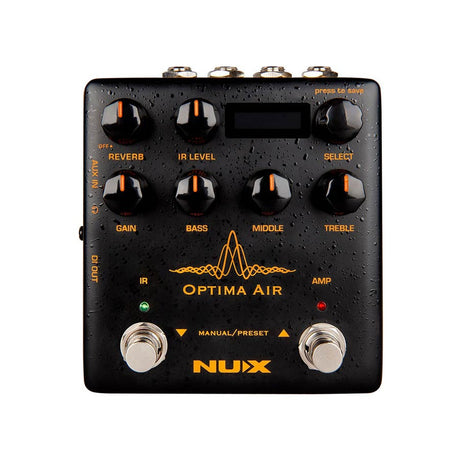
NUX NAI-5 Effect Pedal Dual Acoustic Guitar Simulator OPTIMA AIR
BackorderedRegular price €189,00Unit price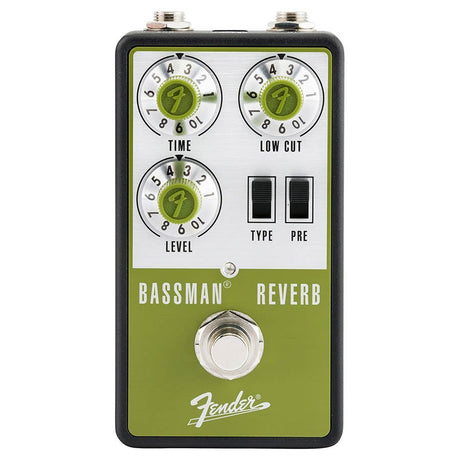
Fender 234613000 Bassman Reverb, effect pedal for bass
Very low stock (1 unit)Regular price €195,00Unit price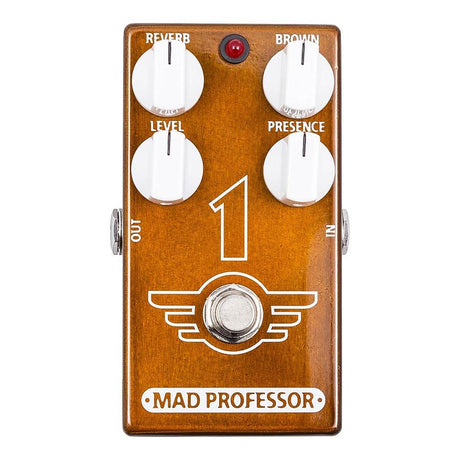
Mad Professor MP-ONE effect pedal "1" Brown Distortion with reverb
Low stock (2 units)Regular price €265,00Unit price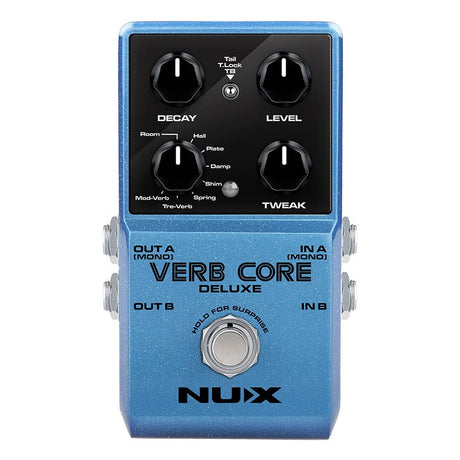
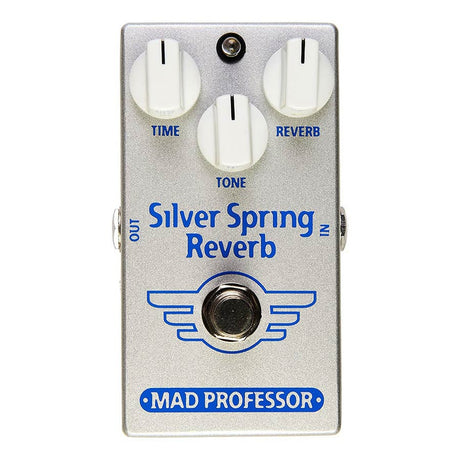
Mad Professor MP-SSR effect pedal Silver Spring Reverb
Low stock (4 units)Regular price €267,00Unit price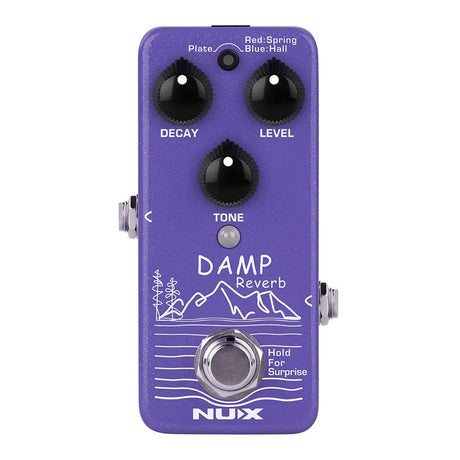 Limited-time price reduction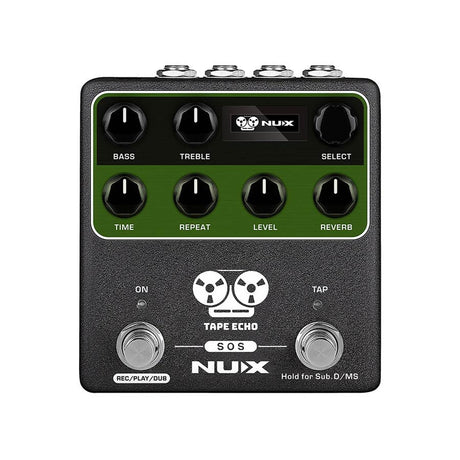
NUX NDD-7 effect pedal delay with tap tempo and spring reverb TAPE ECHO
BackorderedRegular price €169,00Unit price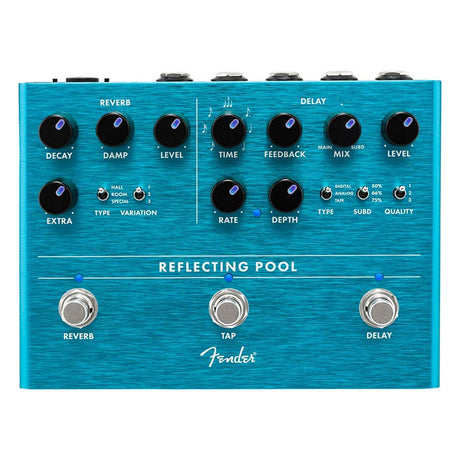
Fender 234546000 Reflecting Pool Delay/Reverb, effect pedal for guitar or bass
BackorderedRegular price €468,00Unit price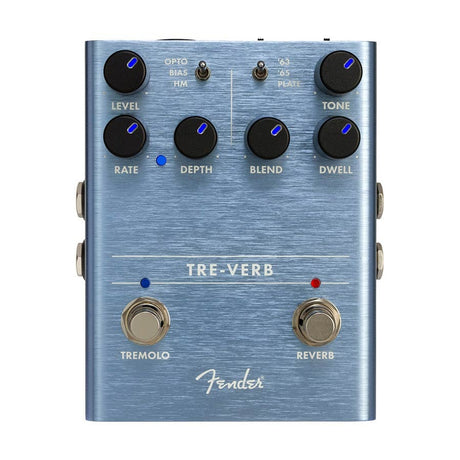
Fender 234541000 Tre-Verb Digital Reverb/Tremolo, effect pedal for guitar or bass
Low stock (2 units)Regular price €405,00Unit price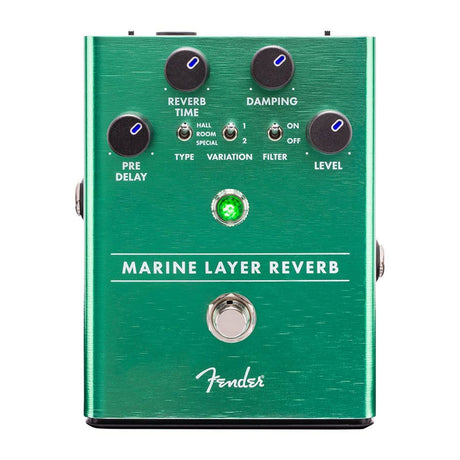
Fender 234532000 Marine Layer Reverb, effect pedal for guitar or bass
Low stock (2 units)Regular price €243,00Unit price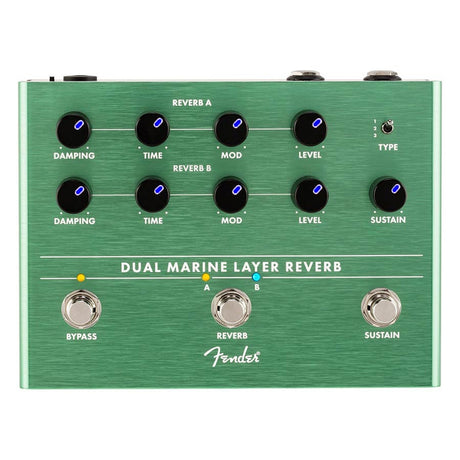
Fender 234563000 Dual Marine Layer Reverb, effect pedal for guitar or bass
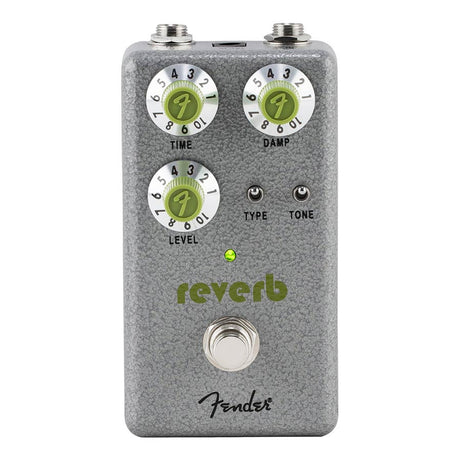
Very low stock (1 unit)Regular price €347,00Unit priceFender 234573000 Hammertone™ Reverb, effect pedal for guitar or bass
Low stock (3 units)Regular price €141,00Unit price-


Reverb pedals
Reverb pedals
Reverb pedals add a natural or artificial spatial sound to your guitar. They simulate the reverberations of a room, hall, or reverberant environment. This makes your playing sound fuller, deeper, and more spacious. Reverb is one of the most widely used effects in both studio and live setups and is indispensable for clean, ambient, and expressive guitar parts.
What does a reverb pedal do?
A reverb pedal creates thousands of micro-echoes that together form a smooth reverb. This broadens your sound and makes it less dry, without the distinct repeats of delay. Modern reverb pedals go beyond simple spatial sounds and offer creative, almost dreamy soundscapes.
- Room reverb for small, natural spaces.
- Hall reverb for large, open reverb with long tail.
- Plate reverb for clear and classic reverb.
- Spring reverb for the traditional surf and rock sound.
Why reverb pedals are popular
- You make clean parties lively and spacious.
- You create atmosphere without changing your basic sound.
- You build ambient textures with long, floating reverbs.
- You make solos fuller and more melodic.
Types of reverb pedals
Reverb comes in many styles. The right choice depends on your musical style and how pronounced you want the reverb to be.
- Analog and spring reverb for vintage and warm tones.
- Digital reverb for clear, modern and versatile reverb.
- Shimmer reverb with raised overtones for a heavenly, ambient sound.
- Modulated reverb with soft modulation for movement.
- Multi-reverb pedals with various reverb types and presets.
Choosing the right reverb pedal
When choosing a reverb pedal, pay attention to character, adjustment options and ease of use.
- Select room and plate for subtle and clear reverb.
- Select hall and shimmer for spacious, floating tones.
- Look at mix, decay, and tone to precisely control your reverb.
- Choose stereo outputs if you want a wide and deep sound.
- Check if the pedal has presets for live use.
Tips for better reverb sound
- Place reverb at the very end of your chain.
- Use a small amount of mix for a subtle, natural space.
- Use longer decays for ambient soundscapes and atmospheric solos.
- Combine reverb with delay for added depth and movement.
- Use shimmer for modern and dreamy sound layers.
FAQ
What is the difference between reverb and delay
Delay creates discrete echoes. Reverb provides a smooth spatial sound without distinct repetitions.
Where do I place a reverb pedal in my chain?
Right at the end, after modulation and delay. This way, your reverb stays clear and defined.
Can I use reverb on acoustic guitar?
Yes, subtle room or hall reverb gives acoustic guitar more space and warmth.
Why does my reverb sound muddy?
Too much mix or a long decay can make your sound unclear. Lower either of these settings for more clarity.
What is shimmer reverb
A reverb with raised overtones or pitch shifting for a heavenly, shimmering ambient sound.