Klowra KBS-06 Bloom Infinity VERDICT polyphonic octave pedal - 4 octaves
In stockRegular price €145,00Unit price-
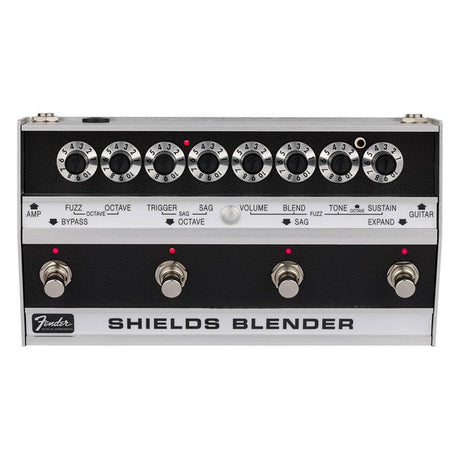
Fender 234552000 Kevin Shields Blender octave fuzz, effect pedal for guitar or bass
Low stock (4 units)Regular price €501,00Unit price


Octave pedals
Octave pedals
Octave pedals add a tone one or more octaves higher or lower than your original signal. This creates a fuller, thicker, and more creative sound that's perfect for solos, riffs, basslines, ambient sounds, and experimental music. A good octave pedal can open up your entire playing style and make you sound like you're playing multiple instruments simultaneously.
What exactly does an octave pedal do?
The pedal analyzes your signal and generates one or more additional tones. These are mixed with your original tone. Depending on the pedal type, you get a tight, digital octave effect or a warm, organic analog octave. This makes octave pedals versatile and useful in many musical styles.
- Octave down for thick, bassy tones.
- Octave up for sharp, striking, synth-like sounds.
- Multi-octave layering for a wide and complex sound.
Why Octave Pedals Are Popular
- You make solos more powerful by adding an extra octave.
- You play bass lines without changing instruments.
- You create synth-like textures for modern music.
- You make riffs thicker and more impressive.
Types of octave pedals
Octave pedals vary greatly in technology and character. The right choice depends on whether you want tight tracking or a vintage feel.
- Analog octave for warm, round, and imperfect octave tones. Ideal for vintage rock and blues.
- Digital octave for fast tracking, clear tones and polyphonic playing.
- Polyphonic octave for chords, complex lines and modern sounds.
- Synth octave for deep, electronic and futuristic sounds.
How to choose the right octave pedal
The ideal octave pedal depends on your playing style, amplifier, and the type of sound you want to achieve.
- Decide whether you want primarily an octave up, octave down, or both.
- Choose analog for warmth and digital for precision.
- Pay attention to tracking: the faster the pedal responds to fast licks, the
- Check out additional features like blend, tone, and multiple octave layers.
- Choose polyphonic octave if you play a lot with chords.
Tips for a better octave sound
- Place the octave pedal at the very front of your chain, before drive and modulation.
- Play tight and clear for the best tracking.
- Combine octave down with fuzz for a synth-bass effect.
- Use octave up with reverb and delay for ambient sounds.
- Mix the original signal with octaves for a more natural result.
FAQ
Does an octave pedal work with chords?
Only polyphonic and modern digital octavers work well with chords. Analog octave pedals are designed for single notes.
Where do I place an octave pedal in my effects chain?
Right at the front. This way, the pedal reads your signal cleanly and tracking works better.
What is the difference between octave and pitch shifter
An octave pedal only adds octaves. A pitch shifter can generate any desired interval.
Does an octave pedal work on a bass guitar?
Yes, octave up works especially well for clarity. Octave down can be very thick, but pay attention to tracking on low notes.
Why does my octave sometimes sound muddy?
Too much gain or a vague attack can disrupt tracking. Play tighter and lower your drive settings.